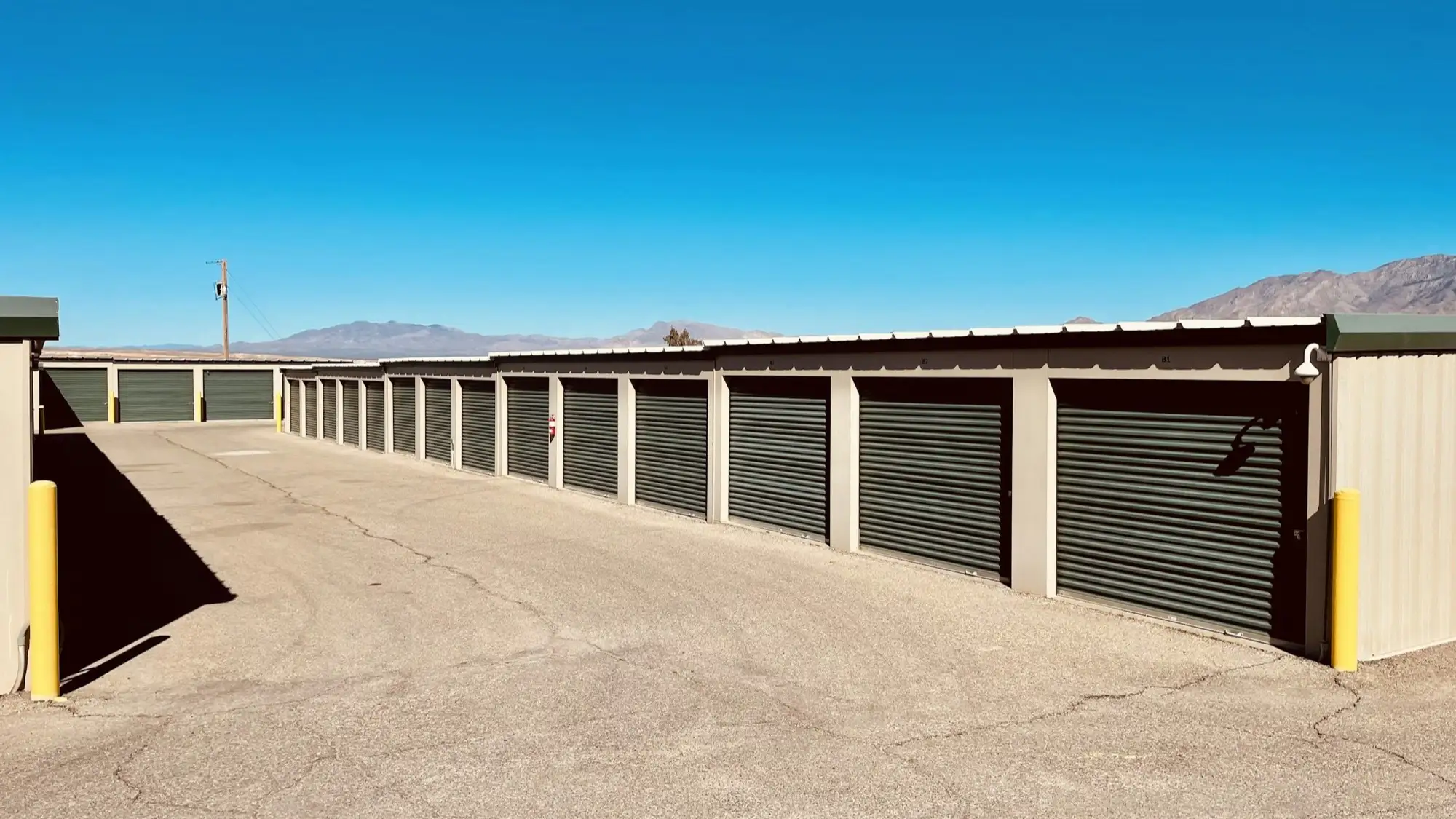
Due Diligence Audits
Self Storage Due Diligence: Know What You’re Buying Before You Close.
Self storage due diligence gives buyers and investors an independent look at the facility behind the numbers. Self Storage 101 reviews the financials, leases, operations, property condition and other factors that can affect value so you can make an informed acquisition decision before the deal is done.
More than 800 studies completed every year for owners, investors, developers and lenders.
See What You’re Really Buying.
A facility may look good on paper. The purpose of self storage acquisition due diligence is to find out whether the operation, financial performance and physical property support the story you’ve been given.
Acquisition Audit
Our acquisition audit goes beyond reviewing a spreadsheet. Depending on the property and scope, our team can evaluate the facility onsite, verify leases and payments, review financial records, document deferred maintenance and assess how the operation is being managed today.
Request ConsultationAn acquisition audit includes:
- Onsite analysis
- Space audit and lease audit
- Payment trail and financial analysis
- Deferred maintenance documentation
- Office, facility and management reviews
- Cap rate analysis
- Executive summary
Audits May Also Include:
- Unit-by-unit inventory
- Lease sampling
- Payment audit
- Onsite reports
- Income statements
- Bank statements
- Onsite management
- Current marketing efforts
- Facility website
Due Diligence Built for Real Acquisition Decisions.
A purchase price is only one part of a self storage acquisition. You also need to understand what is producing the revenue, how accurately the records reflect the operation and what expenses or problems may become yours after closing.
That is where experienced self storage due diligence matters.
Self Storage 101 works exclusively in the self storage industry, bringing decades of operational, consulting and assessment experience to the acquisition process. The goal is not to make the deal look better or worse. It is to give you a clearer understanding of the facility so you can evaluate the opportunity with the facts in front of you.
Self Storage 101 has worked on more than 10,000 projects representing more than $5 billion in project value.
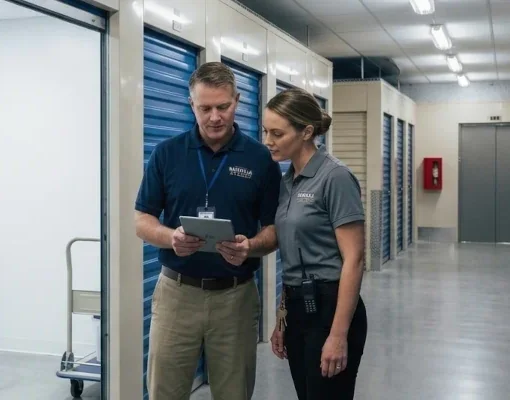
How the Self Storage Due Diligence Process Works.
Tell us about the deal.
We start with the property, acquisition timeline and the information already available to you. We’ll discuss the facility and help establish the appropriate scope for the acquisition audit.
We dig into the property and the numbers.
Depending on the engagement, our team reviews leases, payments, financial records, facility condition, management practices and other information that can affect the value and performance of the acquisition.
We compare the records with the real operation.
The numbers only matter if they reflect what is actually happening at the facility. Onsite analysis can help identify discrepancies, operational issues, deferred maintenance and other factors that may not be obvious from documents alone.
You get a clearer picture before you close.
We organize our findings into an executive summary that gives you practical information to use as you evaluate the acquisition, discuss terms with your team and decide how to move forward.
What Good Self Storage Acquisition Due Diligence Should Tell You.
Buying a self storage facility means buying far more than the buildings and the land. You are buying leases, rent rolls, operating habits, maintenance needs, customer relationships and a stream of revenue that may or may not perform exactly as the historical numbers suggest.
Good self storage acquisition due diligence tests those assumptions before they become your problem.
The rent roll should match the real facility.
A rent roll can tell you how many units are occupied, what tenants are paying and how much revenue the facility should be producing. But a spreadsheet is only the starting point.
An acquisition audit can compare the records against leases, payment histories and the actual units on-site. The goal is to understand whether occupancy and revenue are supported by what is happening at the property rather than simply accepting the seller’s records at face value.
A small discrepancy may have a simple explanation. A pattern of discrepancies deserves a closer look.
Revenue needs a paper trail.
Revenue is one of the biggest drivers of facility value, so verification is especially important.
Reviewing payment activity, leases, income statements and, when appropriate, bank statements can help determine whether reported income is consistent with the operation. It may also reveal concessions, delinquency patterns or other details that are difficult to see in a top-line financial summary.
The question is not just what the property earned. It is how it earned it and whether those earnings appear sustainable after ownership changes.
Occupancy does not tell you everything.
A facility can report strong occupancy and still have operational issues.
How many units are actually rentable? Are leases current? Is the unit inventory accurate? Are delinquent tenants still being counted as occupied? Are some spaces being used differently from the way they appear in the management system?
That is why self storage due diligence can include a space audit, lease review and even unit-by-unit inventory when the project calls for it.
Deferred maintenance becomes the buyer’s maintenance.
Faded paint is easy to see. Bigger issues may not be.
Gates, doors, roofing, paving, lighting, security systems and other facility components can create costs soon after closing if they have not been properly maintained. Documenting deferred maintenance helps buyers better understand what may require attention after the acquisition.
It also helps separate the purchase price from the actual cost of taking ownership.
You are buying an operation, not just a property.
A self storage facility is an operating business.
Management practices, customer service, collections, marketing and day-to-day procedures all influence performance. Reviewing the office and on-site management can help identify practices that are working well as well as gaps a new owner may need to address.
Marketing deserves attention, too. A facility may have upside because its digital presence or local marketing is weak. Or its existing performance may depend heavily on tactics a new owner will need to maintain.
Understanding the operation gives you a better sense of what happens on day one after the keys change hands.
Cap rate only works when the numbers underneath it work.
Cap rate can make two properties easy to compare. It cannot make questionable assumptions reliable.
If income is overstated or operating costs are understated, the resulting valuation can be misleading. Reviewing the information behind the calculation gives buyers more context for evaluating what the facility is actually producing.
That is why cap rate analysis belongs inside a broader acquisition audit, rather than standing on its own.
Due diligence cannot eliminate every risk.
No audit can guarantee how a facility will perform after acquisition. Markets change—expenses change. Competitors open. Management decisions matter.
Self storage due diligence can reduce the number of unanswered questions going into the transaction. It can identify discrepancies, document potential costs and surface issues early enough for you and your advisors to decide what they mean for the deal.
Sometimes the findings reinforce the opportunity. Sometimes they point to issues worth addressing before closing. Either way, you know more before the property becomes yours.
FAQs
Self Storage Due Diligence Questions, Answered.
What is self storage due diligence?
What is a self storage acquisition audit?
When should I begin self storage acquisition due diligence?
What information do you review during an acquisition audit?
Do you visit the self storage facility in person?
Is an acquisition audit the same as an operational audit?
Can due diligence tell me whether I should buy the facility?
Know More Before You Buy.
Before you take ownership, make sure the facility you are buying matches the facility you think you are buying. Get an experienced self storage due diligence team in your corner and go into your next acquisition with a clearer picture of the property, the operation and the numbers.